Mercer Bros
Nearly fifty years ago, our family planted some of the first wine grapes in Horse Heaven Hills. Mercer Bros wines honor that independent spirit with Columbia Valley wines that are grown by us and made by us—approachable, expressive, and true to place.
Wines
Explore the lineup and shop your favorites directly from our tasting rooms or online store.
How Do You Store Wine After Opening?
At Mercer Wine Estates, we understand that opening a great bottle of wine is an experience meant to be savored. Whether it’s our bold Cabernet Sauvignon or one of our refined red blends, the first pour is always something special. But what about when you don’t finish the bottle? Many wine lovers ask how to store wine after opening so they can enjoy the rest later without losing flavor, aroma, or character. Fortunately, there are several ways to preserve opened wine, from proper storage techniques to using specialized tools that extend freshness. In this guide, we’ll share our best practices for keeping wine tasting its best days after you’ve pulled the cork.
Best Practices for How to Store Wine After Opening
Once a bottle of wine is opened, it begins to interact with air. Oxygen plays a complex role; it can enhance wine’s aromas and soften tannins in the short term, but too much exposure quickly leads to oxidation. The result is a dull, flat wine that’s lost its vibrant color and structure. By following a few key practices, you can slow down this process and keep your wine enjoyable for days or even weeks.
How to Store Red Wine After Opening at Home
Red wine typically fares better than white once opened because of its higher tannin levels and natural antioxidants. Still, even a rich Cabernet Sauvignon or Merlot will start to lose its freshness after a couple of days if not properly stored. The best way to preserve opened red wine is to limit its contact with air, light, and heat. Start by re-corking the bottle tightly or, even better, use a wine stopper designed to create an airtight seal. Always store red wine in a cool, dark place. Ideally, keeping the temperature consistent, between 55°F and 65°F, is perfect for most reds. If your home tends to run warm, don’t hesitate to place the bottle in the refrigerator. The cold temperature slows oxidation significantly. Before serving, simply remove the bottle and let it rest at room temperature for about 30 to 45 minutes to bring back its full aroma and flavor. Another trick is to transfer leftover wine into a smaller container, like a half-bottle or an airtight glass jar. With less air trapped inside, oxidation slows down dramatically, helping preserve the wine’s integrity.
How to Store White Wine After Opening in the Fridge
White and rosé wines are more delicate than reds and require a slightly different approach. Once opened, always reseal the bottle with its original cork or a high-quality stopper and store it upright in the refrigerator. Keeping white wine upright reduces the surface area exposed to air, minimizing oxidation. The cooler environment of the fridge, typically around 40°F, slows chemical reactions and microbial growth, helping maintain flavor and crispness. For best results, consume opened white wine within three to five days. Some lighter wines like Sauvignon Blanc or Pinot Grigio may start losing their aromatic intensity after 48 hours, while richer, oak-aged whites such as Chardonnay can hold up a bit longer. When you’re ready to enjoy the rest, take the bottle out of the fridge and let it warm slightly to around 50°F. This brings out the full expression of fruit and texture that cold temperatures can mute. If you have a wine fridge or cooler, that’s an excellent place to store opened bottles at the ideal serving temperature. Many enthusiasts also use vacuum sealers or inert gas systems to extend a white wine’s freshness even further.
Tools That Help Keep Wine Fresh Longer
In addition to proper temperature and sealing techniques, a variety of wine preservation tools can help extend the life of an opened bottle. Whether you’re a casual drinker or a serious collector, these products make it easier to enjoy great wine over time without worrying about waste.
Using Wine Preservation Systems
Wine preservation systems have revolutionized how we store and enjoy opened bottles. These tools work by removing air from the bottle or replacing it with a harmless gas to prevent oxidation. One of the most popular options is a vacuum pump system, which extracts air from the bottle and seals it with a special stopper. This simple, affordable method can extend a wine’s freshness for up to a week. Another option is inert gas preservation, where argon or nitrogen gas is sprayed into the bottle before sealing. These gases are heavier than oxygen, forming a protective barrier on top of the wine. Systems like Private Preserve or Coravin take this concept further, allowing you to pour wine without even removing the cork. Coravin, in particular, uses a fine needle to extract wine through the cork while replacing the displaced liquid with argon gas, keeping the rest of the bottle completely untouched. For serious enthusiasts, Coravin is a game-changer, enabling you to enjoy a glass of fine wine today and save the rest for months later. Reusable stoppers and vacuum sealers are more accessible for everyday use. They’re inexpensive, easy to operate, and work well for short-term storage. Investing in a set of high-quality stoppers ensures every bottle, from a casual table wine to a premium Mercer Cabernet, stays fresh longer.
Temperature-Controlled Wine Storage Units
If you regularly open multiple bottles or enjoy both reds and whites, a dual-zone wine refrigerator is an excellent investment. These units allow you to maintain separate temperatures for each type of wine, ensuring optimal preservation conditions. Keeping opened bottles upright in a dedicated wine fridge prevents leakage and limits oxidation. Additionally, consistent temperature control reduces the risk of spoilage from fluctuations caused by regular refrigerators or room conditions. For long-term wine lovers, this level of control makes all the difference between a wine that stays vibrant and one that quickly fades.
Reusable and Airtight Wine Stoppers
Never underestimate the importance of a good wine stopper. Traditional corks can sometimes lose their shape after opening, letting air sneak back in. Silicone and stainless-steel stoppers create a much tighter seal. Some versions even include vacuum functionality, which helps remove lingering oxygen from the bottle. Many of these stoppers are dishwasher safe, making them a convenient addition to your wine toolkit. Having several on hand ensures that no opened bottle goes unprotected.
Mistakes to Avoid When Storing Opened Wine
Even with the best intentions, it’s easy to make small mistakes that shorten an opened wine’s lifespan. Understanding what not to do can save your favorite bottle from early spoilage and keep every pour as enjoyable as the first.
Leaving Bottles Unsealed
The most common mistake is leaving a bottle partially open or failing to seal it properly. Once the cork or cap is loose, oxygen floods in, and oxidation begins immediately. Even just a few hours can make a noticeable difference in aroma and taste. Always reseal the bottle as soon as you’re done pouring.
Storing Wine in Direct Sunlight or Heat
Light and heat are the enemies of wine, accelerating chemical reactions that cause premature aging and unpleasant flavors. Never leave opened wine on a countertop near a window or anywhere exposed to sunlight. Instead, store bottles in a cool, dark environment. The refrigerator works best, but a wine cooler or cellar is ideal for those who have one.
Laying Bottles on Their Side After Opening
While storing unopened bottles on their sides helps keep corks moist, opened bottles should always be stored upright. This limits the wine’s exposure to air inside the bottle. Laying them down increases the contact area and speeds up oxidation.
Repeated Temperature Fluctuations
Wine doesn’t handle sudden temperature changes well. Repeatedly taking a bottle in and out of the fridge or leaving it in warm rooms before cooling it again can destabilize the wine’s balance. Try to plan ahead by storing it properly from the start and bringing it to serving temperature gradually.
Ignoring the Type of Wine
Not all wines age or stay fresh at the same rate once opened. Sparkling wines, for example, lose carbonation quickly unless sealed with a specialized champagne stopper that locks in pressure. Dessert wines and fortified varieties like Port can last longer thanks to their higher sugar and alcohol content, but even they benefit from cool, dark storage. Understanding these differences helps you tailor your storage methods accordingly.
Waiting Too Long to Finish the Bottle
Even with perfect storage conditions, opened wine won’t last forever. Red wines typically stay fresh for about three to five days, whites and rosés around two to five days, and fortified or sweet wines up to a month. The sooner you enjoy it, the better it will taste. Don’t save that last glass too long; pour it and savor it while it’s still vibrant.
Tips for Extending Freshness Even Further
If you frequently open bottles but only drink a glass or two at a time, consider adopting a few additional habits to get the most out of your wine.
- Use smaller bottles for storage: Transfer leftover wine into a clean 375ml bottle and seal it tightly. With less oxygen trapped inside, the wine stays fresher longer.
- Avoid shaking the bottle: Agitation introduces more oxygen and disrupts delicate flavor compounds. Handle bottles gently when resealing or moving them.
- Label your bottles with the opening date: A simple reminder of when the bottle was opened helps you keep track of freshness and avoid unpleasant surprises later.
- Keep wine accessories clean: Residual wine or moisture inside stoppers, pumps, and pourers can cause contamination or off-flavors over time. Wash them regularly.
- Experiment with wine preservation sprays: Inert gas sprays like Private Preserve are easy to use and highly effective. A quick burst before sealing adds an extra layer of protection.
How Long Can You Keep Opened Wine?
The lifespan of an opened wine depends on several factors: the type of wine, storage temperature, and how well it’s sealed. Here’s a general guideline:
- Sparkling wine: 1–3 days (with a proper sparkling wine stopper)
- Light white or rosé wine: 2–5 days in the refrigerator
- Full-bodied white wine: 3–5 days refrigerated
- Red wine: 3–5 days in a cool, dark place (or fridge if necessary)
- Fortified or dessert wines: 2–4 weeks sealed and refrigerated
If a wine smells musty, sour, or vinegary, it’s time to let it go. Proper storage can delay oxidation, but it can’t stop it completely. When in doubt, trust your senses.
Pairing Proper Storage with Great Winemaking
At Mercer Wine Estates, we believe that proper wine care starts long before the bottle is opened. Our commitment to growing premium grapes and crafting wines with balance and structure ensures that every pour, whether fresh from the bottle or enjoyed a few days later, offers exceptional flavor and quality. We’ve been perfecting this process for decades, ever since the Mercer family planted the first vines in Washington’s Horse Heaven Hills in 1972. Our deep, mineral-rich soils and desert climate create ideal growing conditions for Cabernet Sauvignon, a varietal we’ve built our reputation on. When we opened Mercer Estates Winery in Prosser, WA, in 2005, we brought generations of agricultural expertise and a passion for crafting wines that reflect our land’s character. Today, we continue to produce world-class red blends and single varietal wines that stand among the best in the Pacific Northwest. Caring for your opened bottle is the final step in honoring that craftsmanship. With proper storage, the rich notes of blackberry, cherry, and spice in our Cabernet Sauvignon will stay expressive and inviting even after the first pour.
Savor Every Sip with Mercer Wine Estates
Learning how to store wine after opening isn’t just about preventing spoilage; it’s about preserving the artistry and effort that went into creating each bottle. By re-corking promptly, storing in the right conditions, and using simple tools like vacuum sealers or inert gas systems, you can extend a wine’s freshness and enjoy its full expression over several days. Every bottle from Mercer Wine Estates is crafted to reflect our heritage and dedication to quality. Whether you’re pouring a glass tonight or saving the rest for tomorrow, a little care ensures every sip delivers the same excellence we strive for in every vintage. Explore our collection of award-winning wines and experience the craftsmanship that defines the Horse Heaven Hills. Contact us to discover our selection of Cabernet Sauvignons, red blends, and more. Let us help you make every bottle and every glass unforgettable.
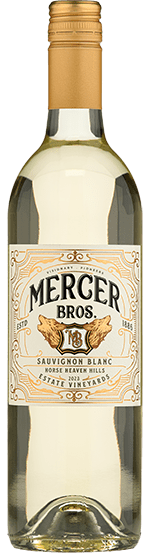
Mercer Bros Sauvignon Blanc
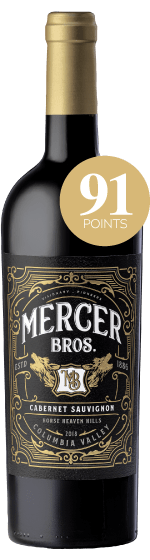
Mercer Bros Cabernet Sauvignon
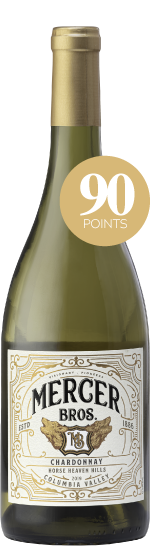
Mercer Bros Chardonnay
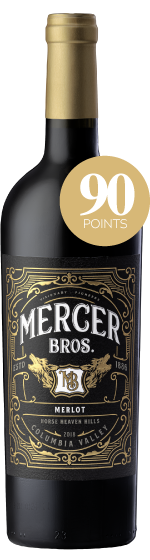
Mercer Bros Merlot
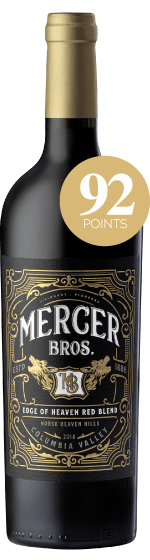
Mercer Bros Edge of Heaven Red Blend
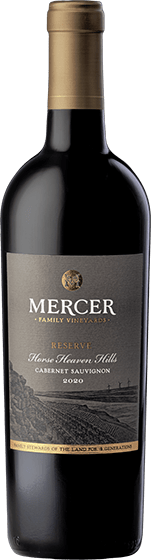
Mercer Family Vineyards Reserve Cabernet Sauvignon
Looking for limited releases? Explore Mercer Reserves or discover more labels in our portfolio, including Subsoil and Small Lot. Not sure where to start? Find Your Wine