Wine is a timeless pleasure that connects people, history, and place in every glass. Yet, for those just getting started, wine tasting can feel intimidating. At Mercer Wine Estates, we believe that learning to taste wine isn’t about memorizing rules; it’s about slowing down, engaging your senses, and discovering what you enjoy most. In this guide, we’ll walk you through the best wine tasting tips for beginners so you can feel confident, curious, and ready to explore every sip.
Essential Wine Tasting Tips for Beginners
The art of wine tasting is about understanding and appreciating the nuances in aroma, flavor, and texture. Even if you’re a newcomer, you can train your palate with some practice and attention. Here’s how to begin your journey.
Smelling and Swirling Techniques Explained
Before you take that first sip, start by looking at the wine. Hold your glass by the stem and tilt it slightly under good lighting. Notice the color; it tells a story about the grape variety, age, and winemaking style. Whites can range from pale straw to golden honey, while reds can vary from bright ruby to deep garnet. Once you’ve observed the color, it’s time to swirl. Swirling releases the wine’s aromas, allowing oxygen to open up the flavors. Gently rotate your glass on a flat surface, then bring it to your nose and take a deep sniff. You may pick up notes of fruit, flowers, herbs, or spices. Don’t worry if you can’t identify everything at first; this skill develops with time. Start with broad categories: is it fruity or earthy? Light or rich? Over time, you’ll notice patterns and preferences emerging.
How to Take Notes During Wine Tasting
Taking notes helps you track your impressions and remember what you liked about each wine. Jot down details like the vintage, grape variety, and winery, followed by your sensory observations. Break your notes into categories: sight, smell, taste, and finish. For example, you might write, “Deep ruby color, aromas of black cherry and vanilla, medium-bodied with smooth tannins, lingering finish.” Over time, this record becomes a personal reference guide, helping you connect flavors with styles and regions. Many tasters use a scoring system or wine-tasting app, but a simple notebook works just as well.
Learning Wine Vocabulary Quickly
Wine has its own language, but you don’t need to memorize a dictionary overnight. Focus on the words that describe structure and balance: body, acidity, tannin, and finish. The body refers to how heavy or light the wine feels in your mouth. Compare a crisp Sauvignon Blanc to a rich Chardonnay. Acidity gives wine its freshness, while tannins create that slight drying sensation you often find in red wines like Cabernet Sauvignon. The finish describes how long the flavors linger after swallowing. When you can use these terms confidently, you’ll have an easier time expressing what you enjoy and discovering new wines to match your taste.
How to Prepare for a Wine Tasting
Whether you’re attending a tasting at a winery or hosting your own at home, preparation can make a big difference. A few thoughtful steps help you experience wines more clearly and enjoy the process even more.
- Avoid strong scents. Fragrance from perfume, lotion, or aftershave can interfere with your ability to smell the wine’s subtle aromas. Go scent-free so your nose can focus fully on the glass.
- Eat beforehand. Tasting on an empty stomach can make alcohol feel stronger and cloud your senses. Have a light meal with mild flavors; bread, cheese, or grilled chicken works well.
- Use proper glassware. A clean, clear wine glass with a tulip shape is ideal. The bowl captures aromas while the narrow rim directs them to your nose. Hold the glass by the stem to keep fingerprints and warmth away from the wine.
- Serve at the right temperature. Whites taste best when slightly chilled, while reds show their true character at a cool room temperature. If a red wine feels too warm, a quick 10-minute chill can help restore balance.
- Pace yourself. Tastings often include multiple wines. Sip, savor, and spit if necessary; this helps you stay alert and appreciate each sample without fatigue.
- Ask questions. At Mercer Wine Estates, we love it when visitors ask about vineyard practices, winemaking methods, and tasting notes. Engaging with experts deepens your understanding and enhances the experience.
- Cleanse your palate. Keep water and plain crackers nearby to reset your taste buds between wines. This prevents overlap and allows each pour to shine on its own.
Common Mistakes First-Time Tasters Make
Even with good preparation, it’s easy to fall into a few common pitfalls. Recognizing them will help you get the most from every tasting.
- Rushing the experience. Wine tasting isn’t a race. Take your time with each pour. Pause after smelling or sipping to reflect on what you notice. The more deliberate you are, the more your senses will reveal.
- Comparing wines too quickly. It’s tempting to rank wines as “better” or “worse,” but try instead to understand what makes each unique. A bold Cabernet Sauvignon and a delicate Pinot Noir are meant to express different qualities.
- Ignoring the aftertaste. The finish often reveals the wine’s complexity. Count how long the flavors linger after swallowing; longer finishes typically indicate higher quality.
- Drinking instead of tasting. At a tasting, the goal isn’t quantity; it’s exploration. Small sips allow you to identify flavors and textures more accurately.
- Overpowering your palate. Tasting very sweet or high-alcohol wines too early can dull your perception. Start with lighter styles and gradually move to richer, fuller-bodied ones.
- Skipping water. Staying hydrated keeps your palate fresh and your focus sharp. Alternate between wine and water to maintain balance.
- Letting expectations take over. It’s natural to approach tasting with certain ideas; perhaps you’ve heard that expensive wines are always better. But personal preference matters most. Keep an open mind and trust your own taste buds.
Building Confidence Through Practice
The more you taste, the more you’ll refine your preferences. Try setting up mini-tastings at home using two or three wines side by side. Compare a Washington Cabernet Sauvignon with a California one or taste a Chardonnay from Mercer Wine Estates next to one from another region. Notice how climate, soil, and winemaking influence the outcome. Over time, patterns will emerge, and you’ll discover whether you prefer fruit-forward or earthy wines, bold reds or crisp whites.
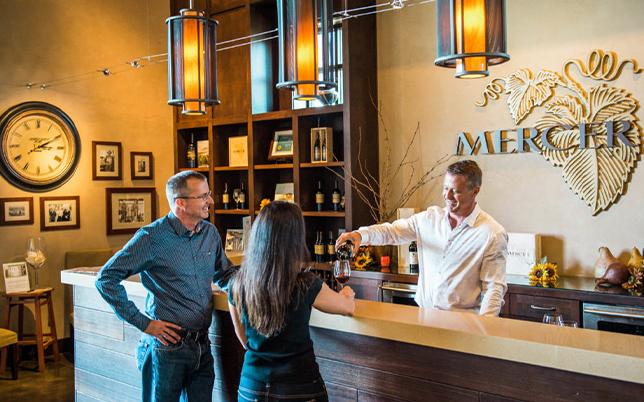
You can also participate in winery tastings or local wine events. When you visit Mercer Wine Estates, our tasting room team will guide you through a range of wines, sharing insights into our vineyards in the Horse Heaven Hills and the craftsmanship behind every bottle.
Understanding What You’re Tasting
Learning to evaluate wine involves recognizing its key elements:
Aroma: The scent of a wine often gives the first clue to its identity. Young wines tend to show fresh fruit aromas like cherry, citrus, or peach, while older wines can reveal earthy, spicy, or nutty notes.
Taste: Focus on the balance between fruit, acidity, tannin, and alcohol. A well-made wine feels harmonious; no single component overwhelms the others.
Texture: The mouthfeel can range from silky to grippy, depending on the wine’s structure. Texture often determines how wine pairs with food.
Finish: A long, satisfying finish is a hallmark of quality. When the flavor persists after swallowing, it shows depth and character.
Developing Your Palate with Mercer Wines
At Mercer Wine Estates, we’ve been crafting wines that reflect the unique character of Washington’s Horse Heaven Hills for over five decades. Our history began in 1972, when the Mercer family planted the first wine grapes in this region. We quickly discovered that the combination of rich soil, desert climate, and steady winds created ideal conditions for growing Cabernet Sauvignon.
Since our first vintage in 2005, we’ve expanded our portfolio to include world-class red blends and single varietal wines, each capturing the essence of our vineyards. Our wines are known for their elegant tannin structure, balanced acidity, and layered flavor profiles, a result of both nature’s gifts and our commitment to sustainable farming and careful craftsmanship.
When you taste a Mercer wine, you’re experiencing the culmination of decades of learning and dedication. From the vineyard to the bottle, every step is guided by our passion for creating wines that express a true sense of place.
Bringing It All Together
Becoming confident in wine tasting doesn’t happen overnight, but that’s part of the joy. Every glass offers an opportunity to discover something new about the wine, the winemaker, and your own taste preferences. Start with these essential wine tasting tips for beginners: engage your senses, take notes, and don’t be afraid to ask questions. The more you taste, the more comfortable you’ll become describing what you love.
At Mercer Wine Estates, we’re honored to share our wines and knowledge with enthusiasts of all experience levels. Whether you’re exploring your first Cabernet Sauvignon or deepening your understanding of red blends, our tasting room in Prosser, WA, is the perfect place to begin your journey.
Plan your visit to Mercer Wine Estates today and experience firsthand how our family’s legacy, dedication, and Washington terroir come together in every glass. Discover your next favorite wine with us, one sip at a time.